Grasslands
Grassland biomes are big, open areas that receive between 250 and 750 millimetres of rain per year. This is less rain than a forest receives and more than a desert receives. Grasslands are found on every continent except Antarctica. They are covered with grass, shrubs and a few trees. Most of the vegetation is prevented from turning into forest by fire, animal grazing, lack of water or freezing temperatures. Many animals rely on grasslands for food, water and shelter.
Tundra
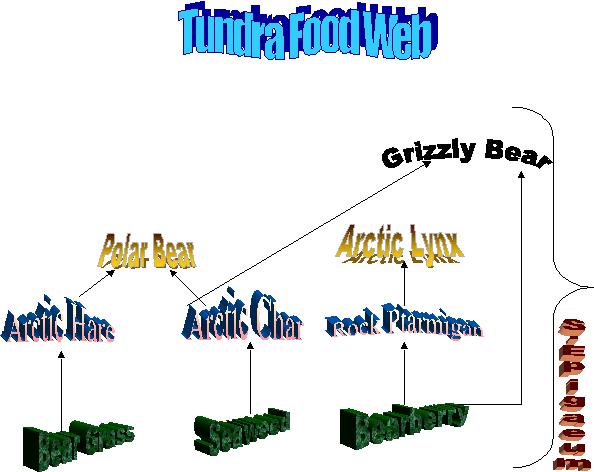
The tundra is the coldest of all the biomes. There are two types of tundra: the arctic tundra and the alpine tundra. The word comes from a Finnish word and means treeless plain. The climate of the tundra is a long and very cold winter, with a short summer.
Freshwater
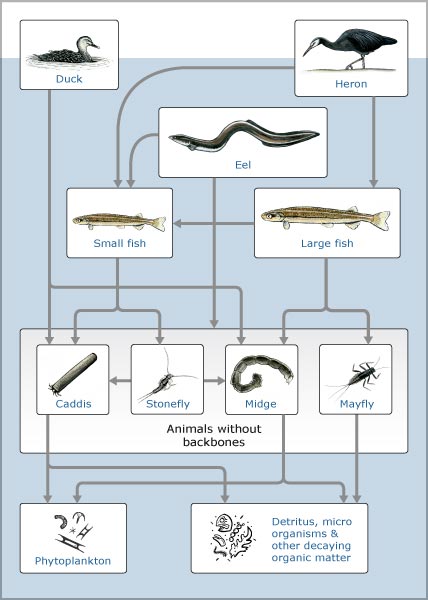
Rivers, lakes and wetlands are all examples of freshwater biomes. Rivers and streams have moving water, lakes and ponds have slow-moving or still water.